Call: 313-295-3300
Dentures in Inkster, MI

By Telegraph Family Dentistry of Taylor
Many Inkster residents wonder whether dentures are the right solution for their smile. Understanding candidacy, the extraction timeline, and recovery stages makes the decision much clearer. This guide walks you through everything — from your first evaluation to your final fitting. If you’ve been asking yourself whether dentures in Inkster are a good fit, you’re in the right place.
Who Is a Candidate for Dentures in Inkster?
Not everyone is an automatic candidate for dentures. A dentist must evaluate your oral health, bone density, and gum condition first. Certain factors can either qualify you quickly or require treatment beforehand.
You may be a strong candidate if you have:
- Multiple missing teeth or severely damaged teeth
- Gum disease that has progressed beyond repair
- Bone loss that makes other options difficult
- Difficulty chewing or speaking due to tooth loss
- Broken or decayed teeth that cannot be saved
Some patients need preparatory work before dentures. Dental Crowns may save certain teeth that can anchor a partial denture. Your dentist will assess each tooth individually. The goal is always to preserve your natural teeth when possible.
Patients with uncontrolled diabetes or severe bone loss may face extra steps. These conditions affect healing after extractions. Dr. Shella will discuss any medical considerations during your consultation. Transparency at this stage sets realistic expectations for the entire process.
What Happens Before Your Dentures Are Made
The preparatory phase is one of the most important parts of getting dentures. It typically begins with a comprehensive oral exam and X-rays. These tools help Dr. Shella map out your treatment plan in detail.
If teeth need removal, extractions happen first. Some patients need only a few teeth pulled. Others require full-arch extractions before moving forward. Each situation is unique and handled with care at Telegraph Family Dentistry.
Here is a typical pre-denture timeline:
- Initial consultation and X-rays
- Treatment planning and tooth evaluation
- Extractions of non-restorable teeth
- Healing period of four to eight weeks
- Impressions taken for custom denture fabrication
Sedation options are available for patients who feel anxious about extractions. Sedation Dentistry helps you stay calm and comfortable throughout the procedure. Healing begins immediately after extractions. Your gums and bone will gradually reshape during this phase.
In some cases, a Root Canal can save a tooth that might otherwise need removal. Saving strategic teeth can improve how your denture fits and functions. Dr. Shella evaluates every option before recommending extraction. Keeping your natural teeth is always the preferred outcome when possible.
The Denture Fitting Process: What to Expect During
Once your gums have healed, the fitting process begins in earnest. Your dentist takes precise impressions of your mouth. These impressions guide the dental lab in crafting your custom dentures.
You will likely have several appointments during this stage. Try-in fittings allow the dentist to check the fit and bite. Adjustments are made before the final denture is completed. This careful process ensures comfort and function from day one.
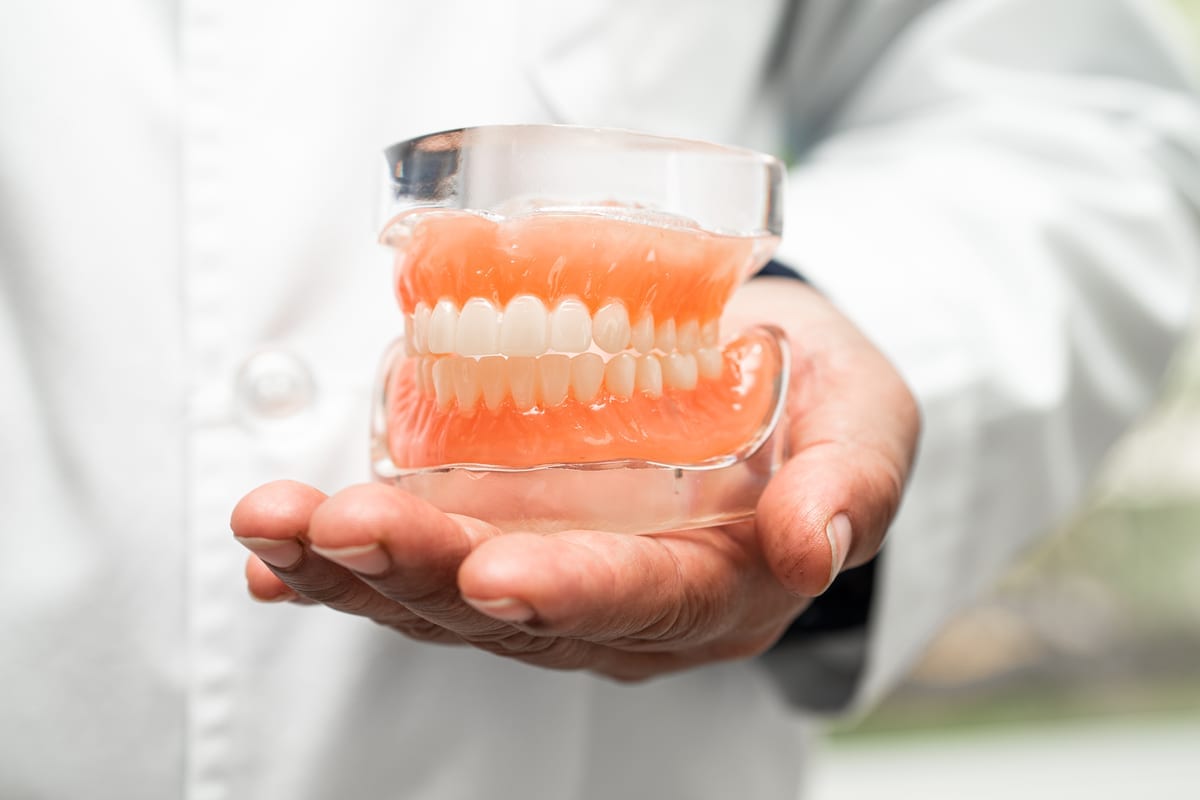
There are two main types of dentures to consider:
- Complete dentures — replace all teeth on the upper or lower arch
- Partial dentures — fill gaps while preserving remaining natural teeth
- Immediate dentures — placed the same day as extractions for no gap in your smile
- Implant-supported dentures — anchored by dental implants for superior stability
Immediate dentures are a popular choice for Inkster patients who want to avoid going without teeth. They are placed right after extractions. However, they may need relining later as your gums heal and shrink. Your dentist will explain which type suits your needs best.
Healing and Adjustment After Getting Dentures
The post-denture period requires patience and realistic expectations. Your mouth needs time to adapt to the new appliance. Most patients experience soreness, increased saliva, and minor speech changes at first. These symptoms typically resolve within a few weeks.
Follow these tips to speed up your adjustment period:
- Start with soft foods like yogurt, eggs, and mashed potatoes
- Practice speaking by reading aloud at home
- Remove and rinse your dentures after every meal
- Soak them overnight in a denture-cleaning solution
- Attend all follow-up appointments for fit adjustments
Soreness spots are common and completely normal. Your dentist will make small adjustments to relieve pressure points. Never try to adjust dentures yourself at home. Improper modifications can damage the appliance or hurt your gums.
Bone and gum tissue continue to change over time. This is why dentures may need relining or replacing every five to ten years. Regular dental checkups are essential even when you have full dentures. Dr. Shella monitors your oral health and the condition of your dentures at every visit.
Caring for Your Smile Long-Term in Inkster
Dentures are a long-term investment in your quality of life. Proper care extends their lifespan and keeps your mouth healthy. Brushing your gums and tongue daily stimulates tissue health. This simple habit prevents irritation and keeps harmful bacteria at bay.
Handle your dentures over a folded towel or a sink full of water. Dropping them can cause cracks or fractures. Even small breaks affect fit and function over time. Replace worn dentures promptly to avoid bite problems.
Your Inkster dentist at Telegraph Family Dentistry in Taylor is your partner throughout this journey. Regular visits allow for early detection of issues like gum disease or bone loss. These problems are easier to manage when caught early. Staying proactive protects your smile for years to come.
If you’re ready to find out whether dentures are right for you, take the next step today. Our team at Telegraph Family Dentistry understands that this decision feels big. We’re here to guide you every step of the way with education and compassion. Book Now to schedule your appointment with our team.
Frequently Asked Questions
How do I know if I’m a good candidate for dentures?
You may be a candidate if you have multiple missing, severely damaged, or non-restorable teeth. A dentist will evaluate your gum health, bone density, and overall oral condition. Factors like gum disease or bone loss are common reasons patients qualify for dentures. A consultation with Dr. Shella at Telegraph Family Dentistry is the best starting point.
How long does the entire denture process take?
The timeline varies depending on how many teeth need extraction and how quickly your gums heal. Most patients complete the process within three to six months from start to finish. Healing after extractions typically takes four to eight weeks. Immediate dentures can shorten the gap between extractions and your final restoration.
Will dentures affect how I eat and speak?
Yes, there is an adjustment period after getting dentures. Most patients notice changes in speech and chewing for the first few weeks. Starting with soft foods and practicing speaking aloud speeds up adaptation. The majority of patients adjust fully within four to six weeks.
Do I still need to visit the dentist after getting dentures?
Absolutely. Regular checkups are important even with full dentures. Dr. Shella monitors your gum and bone health and checks your denture fit at each visit. Over time, gum and bone tissue change shape, which can affect how dentures fit. Routine appointments help catch these changes early.
What is the difference between partial and complete dentures?
Complete dentures replace all teeth on an arch, while partial dentures fill in gaps alongside remaining natural teeth. Partials often attach to existing teeth using small clasps or connectors. The right choice depends on how many natural teeth you still have and their condition. Your dentist will recommend the best option after a full evaluation.