Call: 313-295-3300
Full vs Partial vs Implant Dentures: Which Fits Your Life Best

By Telegraph Family Dentistry of Taylor
Choosing between full, partial, and implant-supported dentures is one of the most important decisions a patient can make. If you’re exploring options for missing teeth in Taylor, MI, understanding how these solutions differ can help you choose wisely. This guide breaks down full vs partial vs implant dentures and which fits your life best in Taylor. Dr. Sameh Shella and the team at Telegraph Family Dentistry are here to make that decision clearer.
Understanding Full Dentures: Who They’re Best For
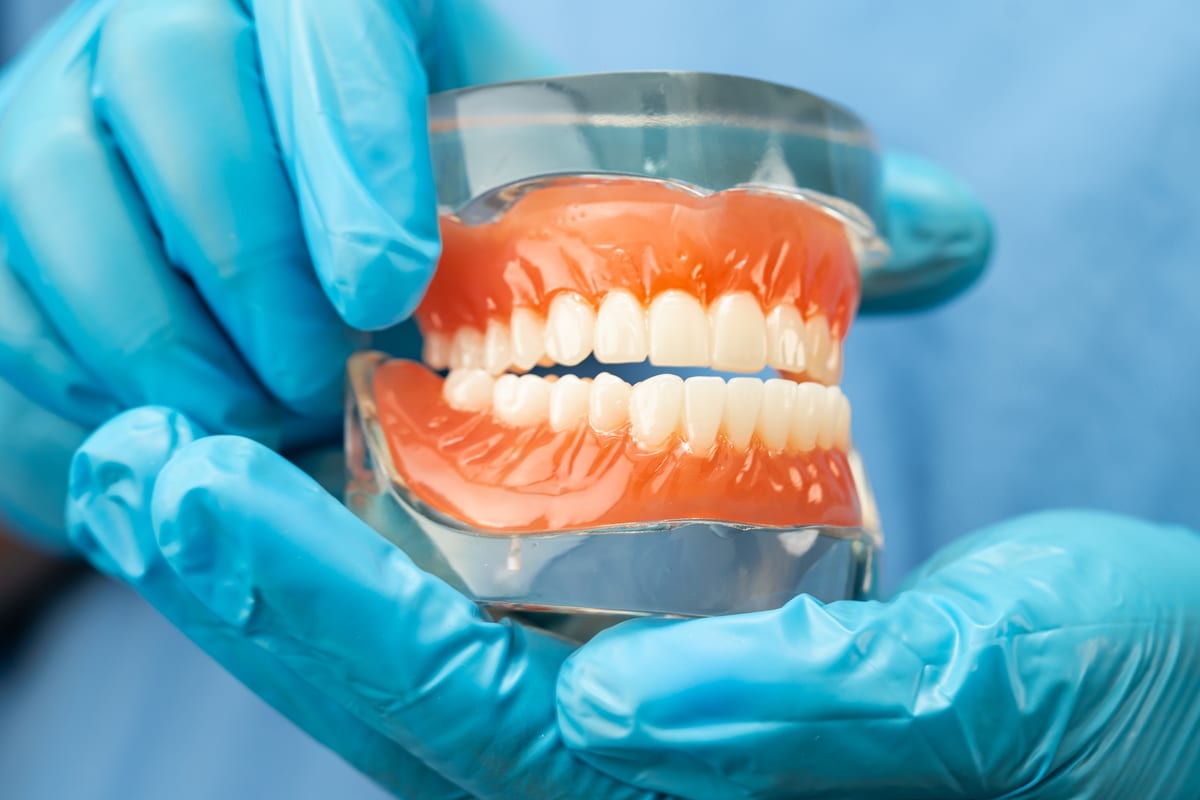
Full dentures replace an entire arch of missing teeth. They sit on the gum line and rely on suction and denture adhesive to stay in place. Most patients who choose full dentures have lost all their natural teeth on the upper jaw, lower jaw, or both.
Full dentures are a time-tested, cost-effective solution. They restore your ability to chew, speak, and smile with confidence. The process typically involves tooth extractions (if needed), healing time, and then fitting your custom denture.
Here is what the full denture process generally looks like:
- Initial consultation and mouth evaluation
- Tooth extractions if remaining teeth are present
- Healing period of several weeks
- Impressions taken for a custom denture mold
- Fitting and adjustment appointments
- Final delivery of your full denture set
Full dentures work well for patients who want an affordable, non-surgical path to a complete smile. They require daily removal for cleaning and may need periodic relining as your jaw changes over time.
Partial Dentures: The Right Fit When Some Teeth Remain
Partial dentures are designed for patients who still have some healthy natural teeth. They fill in the gaps left by missing teeth while using existing teeth for support. This approach preserves the function and appearance of your smile without requiring full replacement.
Partial dentures clip onto adjacent natural teeth using metal or flexible clasps. They are removable, just like full dentures. They help prevent remaining teeth from shifting out of position over time.
Patients often consider partials when they have lost one or more teeth in a row. They’re a practical middle ground between full dentures and dental implants. If your remaining teeth are healthy, partials let you keep them while restoring your bite.
It’s worth noting that healthy surrounding teeth are essential for partial denture success. In some cases, your dentist may recommend Dental Crowns Taylor to strengthen anchor teeth before fitting a partial. Crowns can improve how well the partial sits and performs over time.
Implant-Supported Dentures: Stability You Can Count On
Implant-supported dentures combine the coverage of traditional dentures with the security of dental implants. Titanium posts are surgically placed into the jawbone. The denture then snaps or locks onto these posts for a far more stable fit.
This option is ideal for patients who want to avoid the shifting and discomfort common with conventional dentures. Implant dentures stimulate the jawbone, helping to prevent the bone loss that often follows tooth removal. They look, feel, and function much closer to natural teeth.
Benefits of implant-supported dentures include:
- Significantly improved stability during eating and speaking
- Reduced risk of jawbone shrinkage over time
- No need for messy adhesives
- More natural biting force and chewing ability
- Greater long-term comfort and confidence
The implant process takes longer than traditional dentures. It involves surgery, a healing period of several months, and then denture attachment. Patients must have sufficient bone density to support implants. Your dentist will evaluate this with X-rays or a 3D scan during your consultation.
Full vs Partial vs Implant Dentures: Comparing Your Options in Taylor
Each denture type serves a different patient need. The best choice depends on how many teeth you’ve lost, your bone health, your lifestyle, and your long-term goals. Here is a quick side-by-side comparison to help you think it through.
Full dentures work best when all teeth in an arch are missing. They are the most affordable upfront and require no surgery. However, they may slip during eating or speaking and need regular relining.
Partial dentures are ideal when some natural teeth remain. They are removable and less invasive than implants. They depend on surrounding teeth for stability, so those teeth need to be in good shape.
Implant-supported dentures offer the most stability and longevity. They require a surgical procedure and a longer timeline. They are typically more of an investment upfront but can last many years with proper care.
If you have experienced significant tooth decay or infection before tooth loss, your dentist may also discuss whether Root Canal Taylor treatment could save any remaining teeth before you commit to a denture solution. Preserving natural teeth when possible is always the priority.
What to Expect at Your Denture Consultation in Taylor, MI
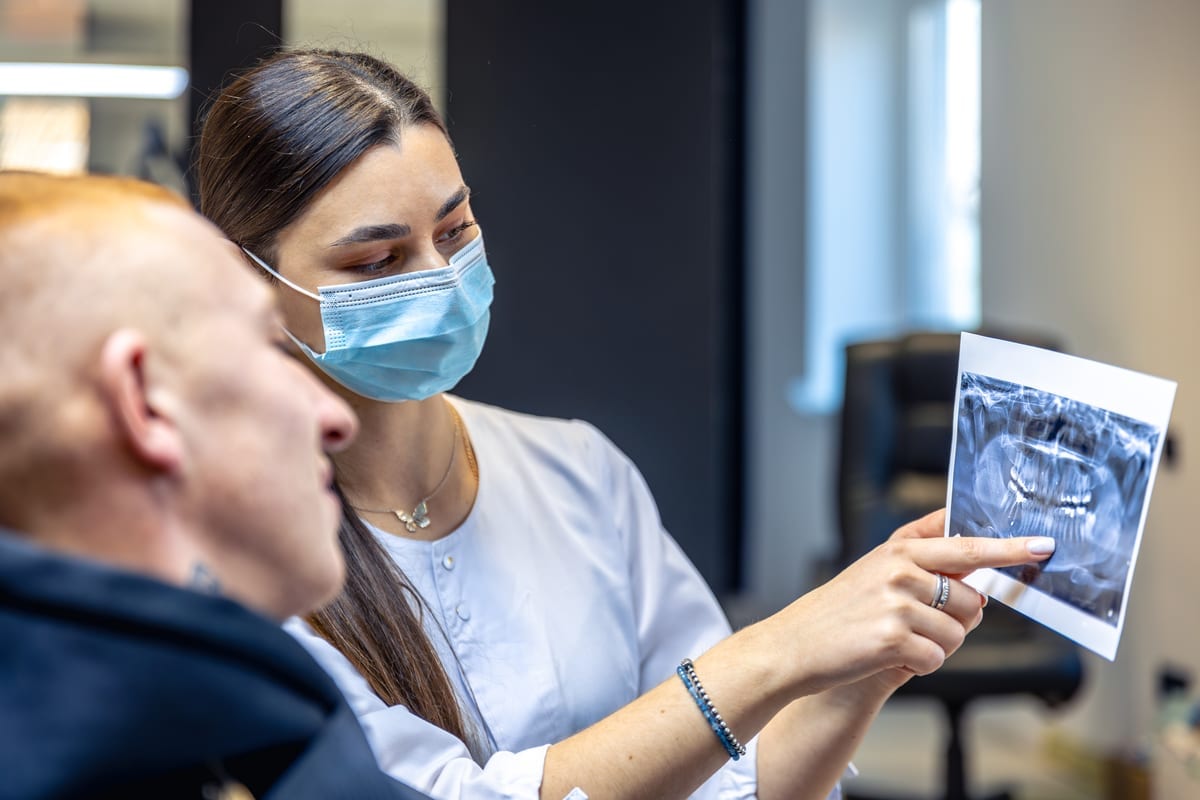
At Telegraph Family Dentistry in Taylor, Dr. Shella begins with a thorough exam of your mouth, gums, and bone structure. He reviews your dental and health history to understand your full picture. From there, he recommends the denture option that matches your needs and long-term goals.
You will have the opportunity to ask questions and understand every step of the process. Dr. Shella believes in educating patients fully before any treatment begins. You will never feel rushed or pressured into a decision that isn’t right for you.
The team also offers sedation dentistry for patients who feel anxious about dental procedures. Comfort is a priority at every visit. Whether you need full dentures, partials, or implant-supported dentures, the process will be tailored to you.
If you are ready to explore which option fits your life, Book Now to schedule your appointment with our team.
Frequently Asked Questions
How long do dentures typically last?
Full and partial dentures typically last between five and ten years with proper care. Over time, your jaw shape changes, which can affect how well dentures fit. Regular dental visits allow your dentist to reline or replace dentures as needed. Implant-supported dentures can last much longer with good oral hygiene.
Are implant dentures painful to get?
The implant procedure is performed under local anesthesia, so you should not feel pain during the surgery. Some soreness and swelling are normal in the days following placement. Most patients manage post-surgical discomfort with over-the-counter pain relief. Dr. Shella will provide clear aftercare instructions to keep your recovery comfortable.
Can I eat normally with dentures?
Yes, but there is usually an adjustment period. Full and partial dentures require some practice before you feel confident eating harder foods. Implant-supported dentures allow for a stronger, more natural bite. Most patients gradually return to a varied, enjoyable diet after adapting to their new dentures.
What is the difference between snap-in and fixed implant dentures?
Snap-in dentures attach to implants but can be removed daily for cleaning. Fixed implant dentures are permanently secured and can only be removed by a dentist. Both provide more stability than traditional dentures. Your dentist will recommend the best type based on your bone health and lifestyle needs.
Do I need to remove my partial denture every night?
Yes, most dental professionals recommend removing partial dentures at night. This gives your gums and bone time to rest and recover. It also allows you to clean the denture thoroughly before reinserting it. Soaking partials overnight in a denture cleaning solution helps maintain their shape and hygiene.