Call: 313-295-3300
What Happens to Your Mouth When You Skip a Missing Tooth


By Telegraph Family Dentistry of Taylor
Losing a tooth can feel like a minor inconvenience at first. Many people in the Allen Park area think, “I’ll deal with it later.” But understanding what happens to your mouth when you skip a missing tooth in Allen Park can completely change that perspective. The consequences go far beyond appearance — they affect your bite, your jaw, and your overall health.
At Telegraph Family Dentistry – Taylor, Dr. Sameh Shella helps patients understand that a missing tooth is never just a cosmetic issue. Every tooth plays a critical role in how your mouth functions day to day. Acting early can save you from more complex and costly dental problems down the road.
What Happens to Your Jaw When You Leave a Gap
Your jawbone needs stimulation to stay healthy and dense. That stimulation comes from the pressure your teeth create when you chew. When a tooth is missing, the bone beneath it no longer receives that signal. Within just a few months, the bone begins to shrink — a process called resorption.
Bone loss can change the shape of your face over time. Patients often notice a sunken or aged appearance around the affected area. This is especially common in Allen Park residents who delay treatment for one or more years. The longer the gap remains, the harder it becomes to restore that area with a natural-looking result.
Here is what bone loss from a missing tooth can lead to:
- Weakening of nearby teeth that lose bone support
- Changes to your facial structure and jaw alignment
- Difficulty placing implants later due to insufficient bone
- Increased risk of further tooth loss in the same area
How a Missing Tooth Affects Your Bite and Nearby Teeth
Teeth do not stay in place on their own. They rely on each other for support and spacing. When one tooth disappears, the surrounding teeth begin to shift into the open space. This movement is slow but constant, and it quietly throws off your entire bite.
Shifting teeth create uneven pressure when you chew. That pressure can crack or wear down teeth that were previously healthy. Over time, your bite changes in ways that are difficult to reverse without significant dental work. Many patients near Allen Park first notice this as jaw soreness or new sensitivity in teeth they never had problems with before.
Teeth that drift also become harder to clean properly. The angles created by shifting allow plaque to build up in areas your toothbrush and floss cannot reach easily. This raises your risk of cavities and gum disease throughout your mouth — not just at the gap.
Missing Tooth Risks Allen Park Patients Often Overlook
Most people focus on the visible gap when they lose a tooth. But the hidden risks are often more serious. One of the most overlooked concerns is the added stress placed on your remaining teeth. When you lose a tooth, the others compensate by working harder during chewing.
That extra workload can crack or fracture teeth that were not designed to carry it. A cracked tooth often requires a Dental Crowns Allen Park procedure to protect and restore it. Acting early on a missing tooth can prevent you from needing more extensive treatment on the teeth around it.
There is also a significant impact on digestion and nutrition. When chewing becomes uncomfortable or inefficient, many people unconsciously avoid certain foods. Hard or crunchy foods — like raw vegetables and lean proteins — often get left off the plate. This dietary shift can quietly affect your overall health over months and years.
Here are additional risks that Allen Park patients frequently underestimate:
- Temporomandibular joint (TMJ) strain from uneven chewing
- Speech changes caused by gaps in the front or side teeth
- Reduced confidence when smiling or speaking in public
- Increased sensitivity in teeth that shift out of alignment
What Are Your Options for Replacing a Missing Tooth?
The good news is that modern dentistry offers effective solutions for every situation. The right option depends on your oral health, the location of the missing tooth, and how long the gap has been present. Dr. Sameh Shella takes time to assess each patient’s unique needs before recommending a path forward.
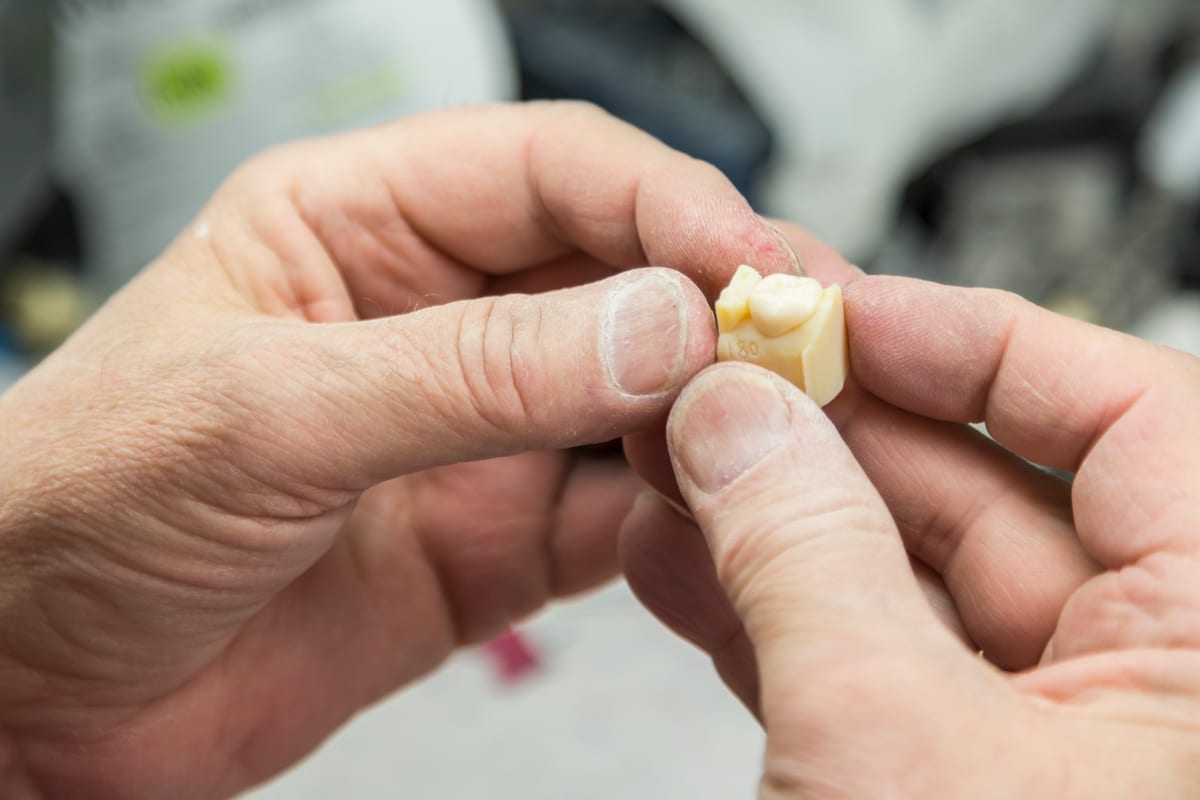
Dental bridges are a popular choice for patients who have healthy teeth on either side of the gap. A bridge anchors to the adjacent teeth and fills the space with a natural-looking artificial tooth. This restores both function and appearance without surgery. Many Allen Park patients find bridges to be a comfortable and durable solution.
Dentures remain a trusted option for patients missing multiple teeth. Modern dentures are far more comfortable and realistic than older versions. They restore chewing ability and help support the facial muscles that a missing tooth can no longer hold in place.
In some cases, a tooth may look healthy but have internal damage that requires attention before replacement. A Root Canal Allen Park treatment can sometimes save a tooth that might otherwise need extraction. Saving your natural tooth is always the preferred outcome when possible.
Why Acting Now Is Better Than Waiting
Dental problems related to missing teeth rarely improve on their own. In almost every case, delay makes treatment more complicated and more involved. The longer a gap remains, the more your jaw, neighboring teeth, and bite shift into a new — and problematic — normal.
Patients who address missing teeth early often require less treatment overall. They preserve more bone, maintain better alignment, and protect the health of surrounding teeth. Early intervention is almost always simpler, more affordable, and more predictable in outcome.
If you have been putting off addressing a missing tooth in the Allen Park area, now is the right time to take action. The team at Telegraph Family Dentistry – Taylor is here to help you understand your options in a supportive, pressure-free environment. Dr. Shella will walk you through exactly what your mouth needs and why.
Your smile deserves thoughtful, proactive care. Book Now to schedule your appointment with our team.
Frequently Asked Questions
How quickly does bone loss start after losing a tooth?
Bone loss can begin within just a few months of losing a tooth. The jawbone needs stimulation from chewing to maintain its density. Without that pressure, resorption starts gradually. Acting within the first year typically gives you the most treatment options.
Can a missing tooth cause problems with other healthy teeth?
Yes, absolutely. Neighboring teeth shift into the gap over time, disrupting alignment and creating uneven bite pressure. This can lead to cracking, increased wear, and a higher risk of decay in teeth that were previously healthy.
Is it possible to replace a missing tooth years after losing it?
Replacement is often still possible after several years, but it may be more complex. Significant bone loss may require additional procedures before certain restorations can be placed. An evaluation with Dr. Shella will determine the best approach for your specific situation.
Does a missing back tooth matter if no one can see it?
Yes, very much so. Back teeth carry the majority of your chewing load. Losing one places significant stress on the remaining teeth and can lead to jaw pain, bite problems, and further tooth loss. Visibility does not determine importance when it comes to dental health.
What is the first step toward replacing a missing tooth in Allen Park?
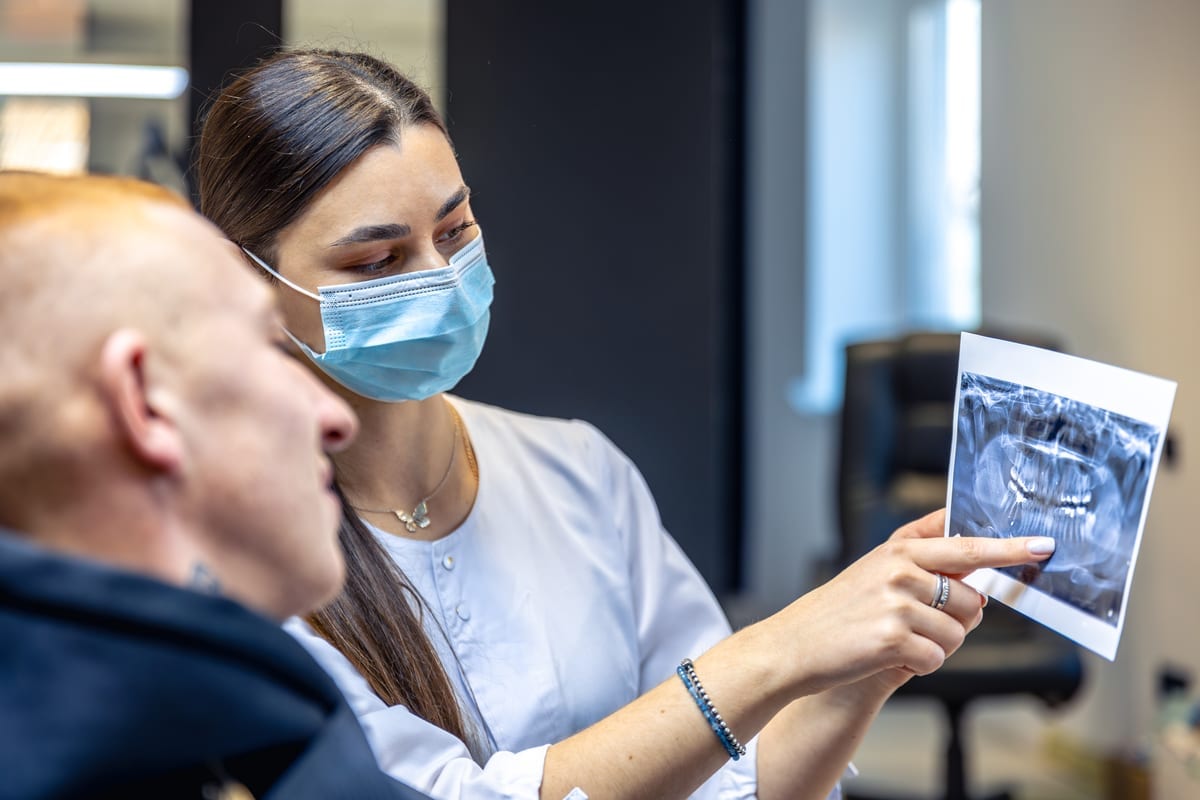
The first step is a comprehensive examination at Telegraph Family Dentistry – Taylor. Dr. Sameh Shella will evaluate your bone health, surrounding teeth, and bite to recommend the most appropriate and effective treatment plan for your needs.