Call: 313-295-3300
Why Your Dentist Recommended a Crown Before You Asked

By Telegraph Family Dentistry of Taylor
If your dentist mentioned a crown and you weren’t expecting it, you’re not alone. Many patients in Taylor leave an appointment surprised by that recommendation. Understanding why your dentist recommended a crown before you asked in Taylor can make the decision feel less overwhelming. This article breaks down the most common clinical reasons a crown becomes necessary — so you can make a confident, informed choice.
What a Dental Crown Actually Does
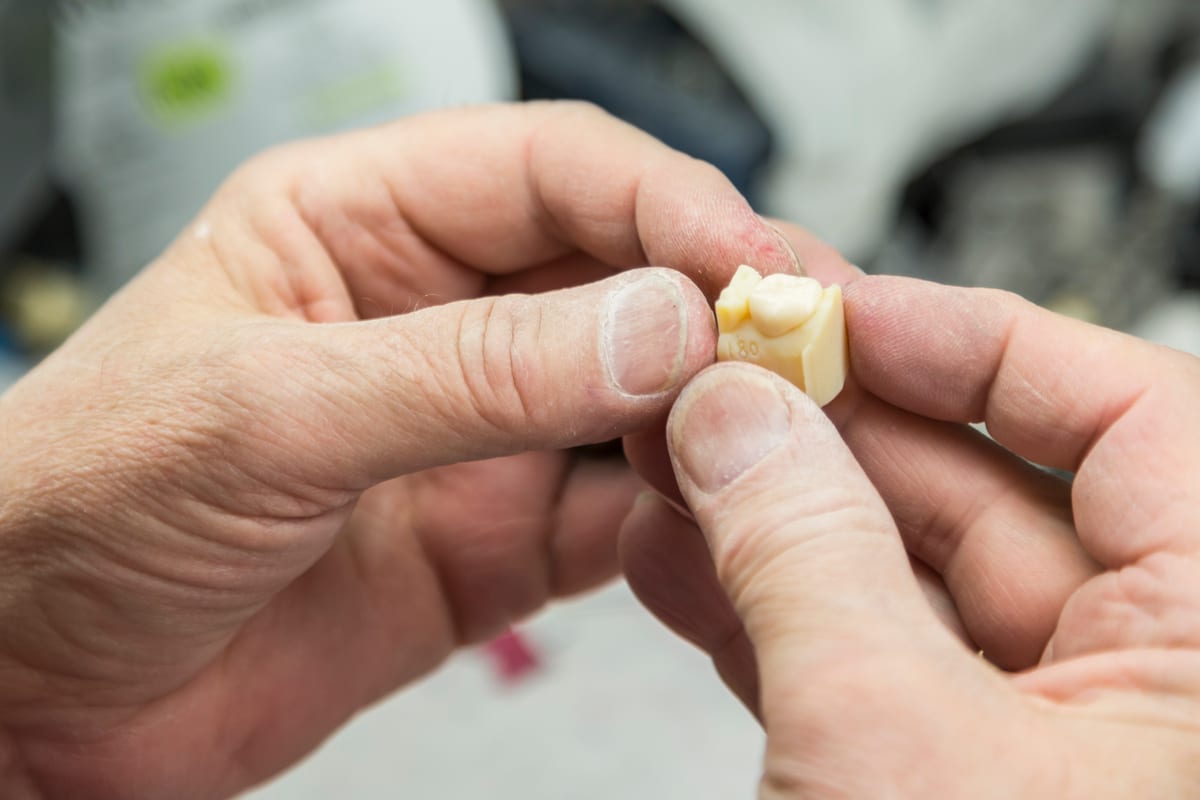
A dental crown is a tooth-shaped cap placed over a damaged or weakened tooth. It restores the tooth’s shape, size, strength, and appearance. Crowns protect teeth that can no longer protect themselves. Think of it as a helmet for a tooth that has been through too much stress.
Crowns are made from materials like porcelain, ceramic, or zirconia. Each material offers different benefits depending on the tooth’s location and function. Dr. Sameh Shella at Telegraph Family Dentistry in Taylor, MI selects the best material for each patient’s unique situation. The goal is always long-term function and a natural look.
A crown is not a cosmetic upgrade chosen on a whim. It is a restorative solution with a clear clinical purpose. When your dentist recommends one, there is a structural reason behind that recommendation. The sections below explain the most common reasons.
Why Your Dentist Recommended a Crown Before You Asked: Top Clinical Reasons in Taylor
There are several well-established situations where a crown becomes the most appropriate treatment. Your dentist does not recommend crowns casually. Each recommendation is based on clinical findings during your exam or X-rays. Here are the most common reasons patients in Taylor receive this recommendation.
- Cracked tooth syndrome: A crack in your tooth can cause sharp pain when biting. It may not be visible to the naked eye. A crown holds the tooth together and prevents the crack from spreading.
- Large or failing filling: When a filling takes up too much of a tooth, the remaining structure weakens. A crown provides full coverage and protects what remains.
- Post-root canal treatment: After a root canal, the tooth becomes brittle. A crown restores strength and prevents fracture.
- Broken or worn cusp: A broken cusp exposes the inner layers of a tooth. A crown rebuilds the tooth’s shape and protects it from further damage.
- Severe decay: When decay is too extensive for a filling, a crown is the next best option to save the tooth.
Each of these situations creates a tooth that cannot withstand normal chewing forces on its own. A crown steps in to distribute that pressure safely. Delaying treatment in any of these cases can lead to tooth loss. Acting promptly protects both your oral health and your wallet in the long run.
The Cracked Tooth Problem Nobody Talks About
Cracked teeth are surprisingly common. They often result from grinding, chewing hard foods, or even temperature changes over time. The tricky part is that cracks are not always visible on X-rays. Your dentist may detect one based on your symptoms and a careful clinical exam.
Pain that comes and goes when biting is a classic sign of a cracked tooth. The pain often disappears quickly, which makes patients dismiss it. But that fleeting pain is a warning signal. Left untreated, the crack can deepen and eventually split the tooth entirely.
A crown placed early can save a cracked tooth from that fate. It holds the two sides of the crack together under biting pressure. This stops the crack from reaching the nerve. Once a crack reaches the nerve, a Root Canal Taylor treatment may be needed before placing the crown.
When a Filling Is No Longer Enough
Fillings are excellent for small to medium cavities. But they have limits. When decay is extensive, or when an old filling begins to break down, there may not be enough healthy tooth structure left to support another filling. At that point, a crown becomes the responsible choice.
Large fillings can also cause teeth to flex differently under pressure. Over time, this flexing creates micro-fractures around the filling. Eventually, the tooth may crack or the filling may fail completely. A crown prevents this cycle by covering the entire tooth surface.
This is also a good time to mention preventive care. Protecting healthy teeth with treatments like Dental Sealants Taylor can help prevent the kind of decay that leads to large fillings in the first place. Prevention always costs less than restoration. Ask Dr. Shella whether sealants are right for you or your child.
After a Root Canal, a Crown Is Usually Essential
Root canal treatment removes infected tissue from inside a tooth. This saves the tooth from extraction. However, the process leaves the tooth hollow and more brittle than before. Without protection, that tooth can fracture under normal chewing forces.
A crown placed after a root canal restores full biting function. It seals the tooth against future bacterial entry. It also blends seamlessly with surrounding teeth for a natural appearance. Most dental guidelines recommend a crown following root canal treatment on back teeth, where chewing forces are strongest.
Patients sometimes feel tempted to delay the crown after a root canal because the pain is gone. But skipping or postponing the crown puts the treated tooth at serious risk. A fracture after root canal treatment often means the tooth cannot be saved. The crown is the final step that makes the whole treatment worthwhile.
What to Expect When Getting a Crown at Telegraph Family Dentistry
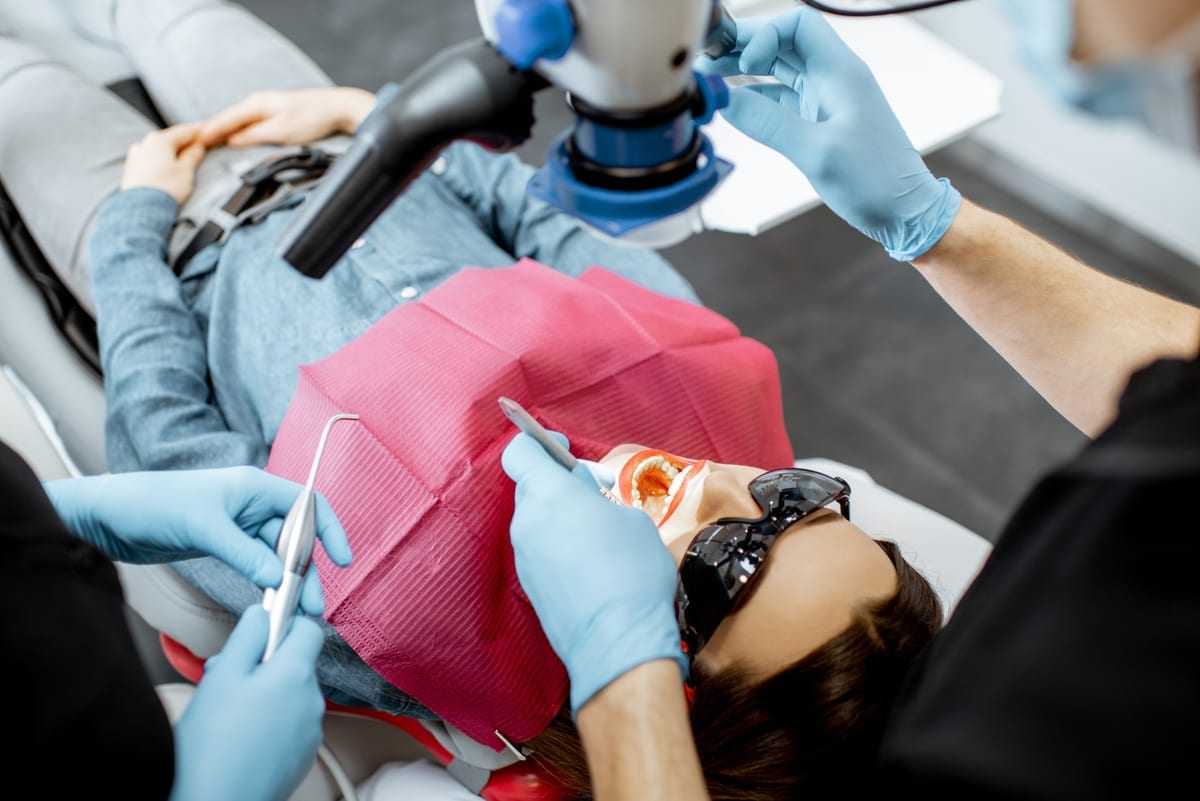
Understanding the process can ease any anxiety you might feel. Dr. Shella and the team at Telegraph Family Dentistry in Taylor make crown procedures as comfortable as possible. Sedation options are available for patients who experience dental anxiety. You will not be left to manage discomfort alone.
Here is a general overview of the crown process:
- Examination and X-rays: Your dentist evaluates the tooth and confirms a crown is the right solution.
- Tooth preparation: A small amount of enamel is removed to make room for the crown.
- Impressions or digital scans: Precise measurements ensure your crown fits perfectly.
- Temporary crown placement: A temporary crown protects your tooth while the permanent one is made.
- Final crown placement: The permanent crown is checked for fit and bite, then cemented securely.
The process typically takes two appointments. Most patients find the procedure far more comfortable than they anticipated. Modern techniques and local anesthesia make the experience manageable. You leave with a restored tooth that functions and looks completely natural.
Frequently Asked Questions
Is a crown really necessary, or can I just watch and wait?
In most cases, waiting makes the problem worse. Cracks grow, decay spreads, and weakened teeth are vulnerable to fracture. Your dentist recommends a crown when the tooth can no longer handle normal function safely. Addressing it promptly saves the tooth and prevents more complex treatment later.
Does getting a crown hurt?
The procedure is performed under local anesthesia, so you should not feel pain during the appointment. Some mild soreness around the gum line is normal for a day or two afterward. If you experience significant discomfort, contact Telegraph Family Dentistry right away. Sedation options are also available for anxious patients.
How long does a dental crown last?
With proper care, a crown can last 10 to 15 years or longer. Good oral hygiene, regular dental visits, and avoiding habits like teeth grinding help extend a crown’s lifespan. Dr. Shella can advise you on how to protect your investment and keep the crowned tooth healthy.
Can I get a crown on a front tooth?
Yes. Crowns are placed on both front and back teeth depending on the clinical need. Tooth-colored porcelain or ceramic crowns blend naturally with surrounding teeth. Dr. Shella matches the crown shade to your existing teeth for a seamless result.
What happens if I do not get the crown my dentist recommended?
Without a crown, a compromised tooth is at high risk of fracturing, developing new decay, or becoming infected. A fractured tooth often cannot be saved and may require extraction. Acting on your dentist’s recommendation protects your tooth, your bite, and your overall oral health.
If you have questions about a crown recommendation or want a second opinion from a trusted local provider, Telegraph Family Dentistry is here to help. Dr. Shella and the team are committed to honest, patient-centered care for families throughout Taylor, MI. Book Now to schedule your appointment with our team.